
 0
0
 0
0
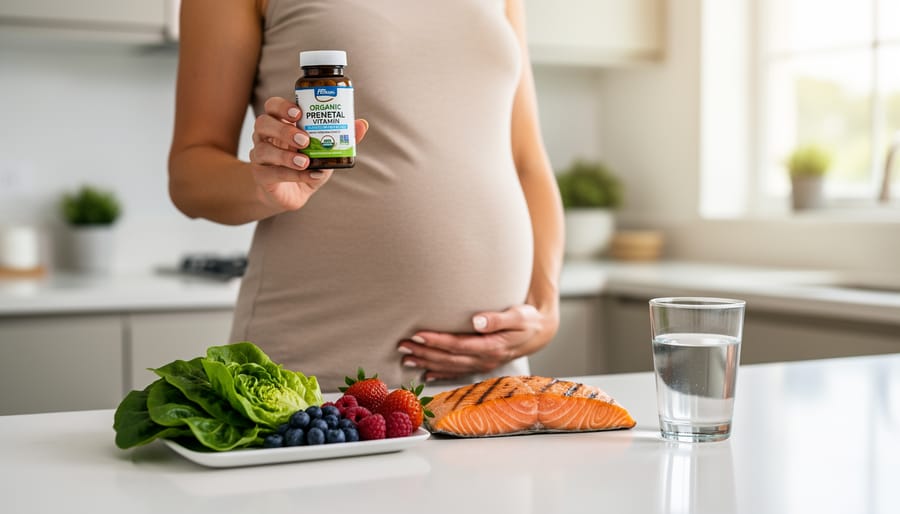
Choosing the right organic prenatal supplement means finding a product certified by USDA Organic or a third-party testing lab, providing the essential nutrients your baby needs (especially folate, iron, and DHA), and fitting your budget and dietary preferences. The best organic options for 2026 combine whole-food ingredients with transparent sourcing, typically ranging from about $14 to $21 for a month’s supply.
I remember standing in the supplement aisle during my first pregnancy, completely overwhelmed by the wall of prenatal bottles. Every label promised something different, and the price tags varied wildly. One mom in my prenatal yoga class swore by her organic brand, while another said it didn’t matter as long as you took something. The truth? Organic certification does matter, but not for the reasons you might think.
Going organic with your prenatal isn’t about perfection or fear. It’s about choosing supplements made from whole-food sources that are rigorously tested to be free from synthetic pesticides, GMOs, and unnecessary fillers. When you’re building a tiny human, that peace of mind counts. But organic labels alone don’t guarantee quality, which is why understanding certifications, nutrient forms, and what your body actually needs matters just as much as the “organic” stamp.
Whether you’re just starting your pregnancy journey or switching from a conventional prenatal that’s giving you nausea, this guide walks you through exactly what separates genuinely beneficial organic supplements from expensive placebos. We’ve tested the top options available in 2026, compared types and prices, and gathered insights from the Mommy’s Nest community to help you make a confident choice. You’ll also find practical prenatal nutrition tips that complement your supplement routine.
Main Options Compared
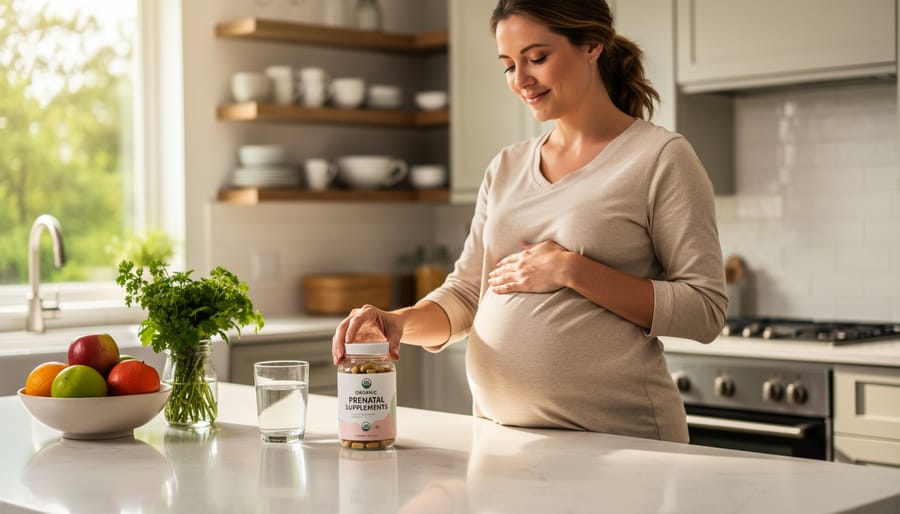
When you’re shopping for an organic prenatal supplement, you’re essentially choosing between a few distinct approaches, and understanding these differences can save you time and money. Most expectant mothers find themselves weighing whole-food multivitamins against synthetic formulations, deciding between capsules and gummies, and considering whether to add probiotics or stick with vitamins alone.
Whole-food organic multivitamins, like those certified by USDA Organic, derive nutrients from real food sources rather than laboratory-created compounds. These tend to be gentler on sensitive stomachs, a huge win during first-trimester nausea, but they often require multiple capsules per day and come at a higher price point. Synthetic prenatal vitamins, even when labeled organic, typically offer nutrients in isolated form and may be absorbed differently by your body.
Then there’s the format question. Gummies taste better and feel easier to swallow, but they rarely include iron due to taste concerns and often contain added sugars. Capsules and tablets deliver comprehensive nutrition but can trigger nausea if you’re already queasy. Some mothers prefer prenatal vitamins combined with probiotics for digestive support during pregnancy, while others choose separate supplements to control dosing.
Your choice ultimately depends on your budget, stomach sensitivity, and nutritional gaps. There’s no single perfect option, just the right fit for your body and your pregnancy journey.
Why Choose Organic Prenatal Supplements?
What Organic Certification Actually Means

When you see “organic” on a prenatal supplement bottle, it means the ingredients meet USDA Organic standards, they’re grown without synthetic pesticides, chemical fertilizers, or genetically modified organisms. For supplements to carry that green USDA Organic seal, at least 95% of their ingredients must be certified organic.
Look for clear labeling on the front of the package. The official USDA Organic seal is your guarantee that the product has been verified by a third-party certifier, not just the manufacturer’s word. Some brands also note certifications from organizations like Quality Assurance International or Oregon Tilth, which handle the actual inspection and approval process.
It’s worth knowing what organic certification doesn’t cover: it doesn’t automatically mean the supplement contains the right nutrient amounts for pregnancy, or that it’s been tested for purity. Organic speaks to how ingredients were grown and processed, which matters for reducing chemical exposure during pregnancy, but you’ll still want to check the supplement facts panel to confirm it meets your nutritional needs. Think of organic as one important piece of your decision, not the only one.
The Whole-Food Advantage
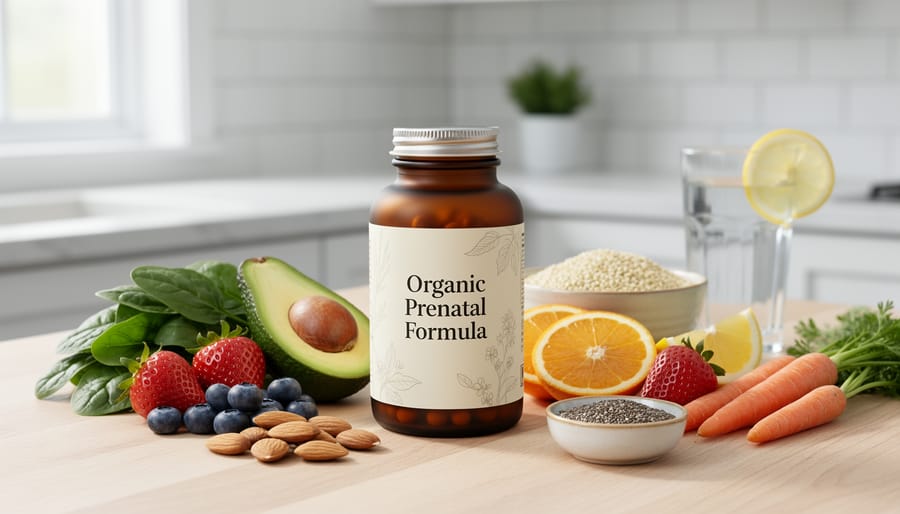
I remember the first time I switched from a synthetic prenatal to a whole-food option. Within days, the queasy feeling that had been my constant companion disappeared. I wasn’t alone, so many mothers in our community have shared similar experiences of finding relief when they made the switch to whole-food-based organic prenatals.
The difference comes down to how your body recognizes and uses nutrients. Whole-food vitamins are derived from actual foods like fruits, vegetables, and herbs, which means they contain the full spectrum of naturally occurring cofactors, enzymes, and phytonutrients that help your body absorb and utilize them. Think of it as the difference between eating an orange versus taking isolated vitamin C powder. Your body knows what to do with that orange.
This matters especially during pregnancy when you’re already dealing with sensitive digestion. Synthetic vitamins, created in labs from isolated compounds, can sit heavily in your stomach and trigger nausea. Whole-food formulations like those from Garden of Life tend to be gentler because they’re closer to actual food. Your body processes them more naturally, which means better absorption and fewer unpleasant side effects.
Many mothers find they can take whole-food prenatals on an empty stomach without discomfort, something that would be unthinkable with synthetic versions. That flexibility can be a lifesaver during first-trimester morning sickness when keeping anything down feels like a victory.
Key Factors When Shopping for Organic Prenatal Supplements
Essential Nutrients to Look For
Your prenatal vitamin should deliver the nutrients that matter most for your baby’s development and your own health during pregnancy. While every pregnancy is unique, certain nutrients have strong research backing, and knowing what to look for helps you compare options with confidence.
Folate is absolutely essential, supporting your baby’s neural tube development in those critical early weeks. Look for at least 400-600 mcg of folate (or methylfolate, which many bodies use more easily than synthetic folic acid). Iron prevents anemia and supports your increased blood volume, with most expecting mothers needing around 27 mg daily. Calcium builds strong bones and teeth for your baby while protecting your own bone density, aim for at least 200-300 mg in your prenatal, knowing you’ll get more from food.
DHAan omega-3 fatty acid, supports brain and eye development. Many organic prenatals include 200-300 mg, though some require a separate DHA supplement. Vitamin D works alongside calcium for bone health, and you’ll want at least 600 IU. Iodine supports thyroid function and baby’s brain development, with 150 mcg being the target amount.
Some nutrients like vitamin A should come from beta-carotene rather than retinol to avoid excessive levels. Quality organic prenatals balance these nutrients thoughtfully, but every woman’s needs differ based on diet, health history, and pregnancy specifics. That’s why chatting with your healthcare provider about your particular situation isn’t just helpful, it’s genuinely important. They can spot gaps or recommend adjustments tailored to you.
Understanding Price and Value
When you’re comparing organic prenatal supplements, the sticker price can be deceiving. I learned this the hard way during my first pregnancy when I grabbed what looked like the cheapest bottle, only to realize later I was actually spending more per day than friends who’d bought pricier options.
The trick is breaking it down to cost per serving. A bottle priced at $20.99 for 30 servings works out to about 70 cents per day, while one that costs $13.71 for 60 servings is only about 23 cents daily. That’s a significant difference over nine months of pregnancy and beyond if you continue while nursing.
Of course, price isn’t everything. Sometimes a slightly pricier option genuinely offers better absorption, cleaner ingredients, or a format that’s easier on your stomach. The key is understanding what you’re actually paying for each day, then weighing that against the quality factors we’ve discussed.
When you’re shopping, grab your phone calculator and divide the price by the number of servings. You might discover that the mid-range bottle is your sweet spot, offering both quality and value without stretching your budget. And remember, many retailers offer subscribe-and-save discounts that can bring down that per-serving cost even further.
Certifications and Testing That Matter
When you’re choosing an organic prenatal supplement, look beyond the organic label itself, there are additional certifications that can give you real peace of mind. Third-party certification checks from organizations like NSF International, USP, or ConsumerLab mean an independent lab has verified what’s actually in the bottle matches what’s on the label. This matters because supplements aren’t regulated the same way prescription medications are, so these seals confirm you’re getting what you’re paying for.
You’ll also want to scan for clean formulation badges that indicate the product is free from unnecessary fillers, artificial colors, or common allergens. Some brands display non-GMO verification or gluten-free certifications, which can be important if you have sensitivities. The key is understanding that each certification serves a specific purpose, organic ensures cleaner sourcing, while third-party testing confirms accurate dosing and purity.
Don’t feel overwhelmed by the alphabet soup of acronyms. Start with USDA Organic as your baseline, then look for at least one third-party testing seal. That combination gives you a solid foundation of trust without needing to research every single badge on the bottle.
Types of Organic Prenatal Supplements to Consider

Whole-Food Multivitamin Formulas
Whole-food multivitamin formulas take a different approach than synthetic prenatal vitamins, they derive nutrients from real foods like fruits, vegetables, and herbs rather than creating them in a lab. Many mothers find this gentler on their stomachs, which matters when you’re already dealing with morning sickness or food aversions.
These formulations work by concentrating nutrient-rich whole foods into capsules or tablets. Think of it like getting your vitamins from a really nutrient-dense smoothie, just in supplement form. Garden of Life offers clean, whole-food prenatal multivitamins that provide proper amounts of nutrients for moms and their developing babies, using ingredients you’d recognize from your kitchen rather than a chemistry textbook.
The main advantage here is bioavailability, your body often recognizes and absorbs whole-food nutrients more readily than synthetic versions. Plus, whole-food prenatals typically include beneficial cofactors and enzymes that naturally occur alongside vitamins in real food, which can support better absorption. If you’ve struggled with synthetic vitamins that upset your stomach or just prefer a more natural approach to supplementation, whole-food formulas are worth exploring.
Prenatal Vitamins with Probiotics
Digestive discomfort during pregnancy is incredibly common, many of us in the Mommy’s Nest community have shared stories of morning sickness, bloating, and that general unsettled feeling that seems to come with the territory. Combining your prenatal nutrition with probiotics addresses this directly by supporting gut health during a time when your digestive system is already working overtime.
Probiotics introduce beneficial bacteria that can help ease nausea, improve nutrient absorption, and support immune function for both you and your developing baby. Some mothers find that taking a prenatal with built-in probiotics simplifies their supplement routine, eliminating the need for separate pills when you’re already managing quite a few.
Garden of Life, for example, offers formulations that pair their clean, whole-food prenatal vitamins with probiotics designed specifically for pregnancy. These combined products provide the essential nutrients you need alongside digestive support in one daily dose.
If you’re dealing with pregnancy-related digestive issues or simply want to support your gut health proactively, a prenatal-probiotic combination might be worth exploring. Just remember that what works beautifully for one mother might not suit another, and that’s completely okay.
Finding Your Preferred Format
When I was pregnant with my second, the horse-pill capsules from my first pregnancy made me gag the moment I even looked at them. Switching to a different format completely changed my supplement routine, and I know I’m not alone in this.
The format you choose matters more than you might think, especially when morning sickness is in the picture. Capsules tend to be easier to swallow and often have less aftertaste, but their size can be challenging if you’re already nauseous. Several moms in our community have found success with splitting their dose between morning and evening when capsules feel too large. Tablets are similar but can sometimes be harder to digest if you have a sensitive stomach during pregnancy.
Gummies have become popular because they’re gentler on queasy tummies and actually pleasant to take. The trade-off? They typically can’t pack in as many nutrients, especially iron, which doesn’t taste great in gummy form. You might need additional supplements alongside gummies to meet your full nutritional needs.
Powder formats mixed into smoothies work beautifully for some mothers, particularly those who already have morning smoothie routines. They’re flexible, you control the dose, but require more preparation and won’t work if you’re dealing with texture aversions.
The best format is simply the one you’ll actually take consistently. Listen to your body, consider your daily routine, and don’t hesitate to switch if what you chose isn’t working.
Our Top Recommendations for 2026
Best Overall Organic Prenatal
Garden of Life mykind organics Certified Organic consistently rises to the top of tested organic prenatal supplements for 2026, and many mothers in our community have shared positive experiences with this whole-food option. Recent independent testing from September 2026 confirms what we’ve heard: this prenatal delivers proper nutrient amounts in a clean formulation derived entirely from real food sources, not synthetic isolates. At $20.99 for 30 servings, it falls into the mid-range for quality organic prenatals, reflecting the higher cost of whole-food sourcing and organic certification.
What makes this option stand out is its commitment to transparency and clean ingredients, important considerations when you’re already being mindful about safe eating during pregnancy. The whole-food approach means nutrients come from organic fruits, vegetables, and herbs rather than laboratory-created compounds, which some mothers find gentler on sensitive stomachs during the first trimester. While it’s not the cheapest option available, the combination of organic certification, proper nutrient levels, and positive testing results makes it a reliable starting point for expectant mothers seeking clean prenatal nutrition.
Additional Options Worth Exploring
While Garden of Life stands out as our top recommendation, pregnancy needs vary widely. Some mothers prefer gummy formats when morning sickness makes capsules difficult, while others need specific nutrient combinations their healthcare provider suggested. Budget constraints matter too, we’ve seen options ranging from under $15 to over $30 per month.
Recent testing updated in September 2026 has evaluated multiple organic prenatal formulas, giving you reliable comparisons beyond our featured choice. Expert reviews from sources like The Good Trade and The Bump have tested and vetted several organic options this year, examining everything from nutrient accuracy to third-party certifications. These independent evaluations can help you compare formulations that fit your specific situation, whether you’re managing dietary restrictions, working with a tight budget, or need particular nutrient levels your doctor recommended.
Remember, the best organic prenatal supplement is the one you’ll actually take consistently. If one formula upsets your stomach or feels impossible to swallow, exploring tested alternatives makes complete sense.
Where to Find Reliable Reviews
Finding trustworthy reviews can feel overwhelming when you’re already juggling pregnancy decisions. Look for sources that actually test products rather than just compile lists. Independent publications that purchase and evaluate supplements themselves, like consumer testing organizations and health-focused sites with transparent methodologies, offer more reliable comparisons than retailer reviews alone.
Expert-tested rankings updated in 2026, such as detailed comparisons from established parenting and wellness sites, can help you see how different organic prenatals stack up. These reviews typically assess nutrient content, third-party certifications, and real-world factors like taste and digestibility. When reading reviews, notice whether the source discloses testing methods and any potential conflicts of interest. Your healthcare provider may also have recommendations based on clinical experience with patients. Remember, reviews are helpful starting points, but your individual needs and your doctor’s guidance matter most when making your final choice.
Common Mistakes to Avoid When Choosing Prenatal Supplements
Choosing a prenatal supplement can feel overwhelming, especially when you’re already navigating everything else that comes with pregnancy. Many mothers-to-be make understandable missteps along the way, so let’s walk through the most common ones together so you can feel more confident in your decision.
- Choosing based on price alone, While budget matters, the cheapest option might lack essential nutrients or proper dosages. Compare cost per serving rather than just the upfront price, and remember that a slightly higher investment in quality now supports your baby’s development.
- Overlooking daily dosage requirements, Some organic prenatals require multiple pills per day to reach full nutrient amounts. If you struggle with swallowing pills or forget easily, a single-dose option might serve you better, even if the per-bottle price seems higher.
- Skipping certification checks, Not all products labeled “organic” meet official standards. Look for USDA Organic certification or third-party testing seals to ensure you’re getting what you pay for.
- Ignoring your stomach’s needs, Many mothers experience nausea during pregnancy, and certain supplement formats or ingredients can make it worse. If capsules upset your stomach, trying a gummy or whole-food formula might help.
- Forgetting to consult your healthcare provider, Your doctor or midwife knows your specific health needs, including any nutrient deficiencies or conditions that might require adjusted amounts. Always run your supplement choice by them before committing.
Another common oversight is focusing solely on the prenatal vitamin while neglecting overall nutrition. Your supplement should complement a healthy diet, not replace it. Just as you’re mindful of foods to avoid during pregnancy, think about how your prenatal fits into your whole eating pattern.
Some mothers also buy in bulk without testing a product first. Your body chemistry might not agree with a particular formula, so consider starting with a smaller bottle to see how you feel before purchasing a three-month supply. And remember, the most expensive prenatal is not automatically the best one for you. What matters is finding an organic option with the right nutrients, in amounts your body can absorb, that you will actually remember to take every day.
Frequently Asked Questions About Organic Prenatal Supplements
I hear these questions all the time in our Mommy’s Nest community, and they’re exactly what I wondered when I was pregnant with my first. Let’s tackle the most common concerns together.
When should I start taking prenatal vitamins?
Ideally, start taking prenatal vitamins at least one to three months before trying to conceive, as key nutrients like folate are crucial in the earliest weeks of pregnancy when you might not know you’re expecting yet. If you’re already pregnant and haven’t started, begin now, it’s never too late to support your baby’s development.
Are organic prenatals really necessary, or can I take a regular multivitamin?
Regular multivitamins don’t contain the specific nutrient amounts needed during pregnancy, particularly higher levels of folate, iron, and calcium. Organic prenatals are formulated specifically for pregnancy needs, and while organic certification isn’t mandatory, it does ensure cleaner sourcing and reduced pesticide exposure during this sensitive time.
Can I get all the nutrients I need from food alone?
While a balanced pregnancy diet guide is essential, it’s challenging to meet all pregnancy nutrient requirements through food alone, especially for folate and iron. Think of prenatal vitamins as nutritional insurance that fills the gaps, not a replacement for healthy eating.
What if I forget to take my prenatal vitamins sometimes?
Don’t stress if you miss a dose here and there, pregnancy guilt helps no one. Just take your next dose when you remember and consider setting a daily phone reminder or keeping your vitamins somewhere visible, like next to your toothbrush or coffee maker.
Many moms also wonder how to balance diet vs supplements. The truth is they work together. Your prenatal supplement provides a baseline of essential nutrients, while whole foods from your diet offer additional vitamins, minerals, fiber, and beneficial compounds that supplements can’t fully replicate. Focus on nutrient-dense foods like leafy greens, lean proteins, whole grains, and healthy fats, and let your prenatal fill in the nutritional gaps.
As for knowing if your prenatal is working, there’s no dramatic sign or immediate feeling. Your body quietly uses these nutrients to support your baby’s development and maintain your own health throughout pregnancy. Trust that if you’re taking a quality organic prenatal consistently and maintaining regular prenatal care with your healthcare provider, you’re doing exactly what you need to do. Some moms notice their energy improves or their nails grow stronger, but the real benefits are happening behind the scenes for both you and your growing baby.
Choosing an organic prenatal supplement is one of many thoughtful decisions you’ll make on this incredible journey. There’s no single perfect choice that works for everyone, and that’s completely okay. What matters most is finding an option that fits your body, your budget, and your peace of mind, one that supports both you and your growing baby.
Remember, you’re already doing an amazing job by researching your options and caring about what you put into your body. Whether you choose a whole-food multivitamin, add probiotics for digestive support, or start with a basic certified organic formula, you’re taking a positive step forward. Trust yourself to make the decision that feels right, and don’t hesitate to lean on your healthcare provider for personalized guidance.
You’re not alone in this. The Mommy’s Nest community is here to share experiences, answer questions, and celebrate every milestone with you, from supplement choices to baby name ideas and beyond.
We’d love to hear about your prenatal supplement journey. What’s working for you? What questions do you still have? Share your thoughts in the comments below, and let’s support each other through this beautiful, sometimes overwhelming, always worthwhile experience of motherhood.