
 0
0
 0
0
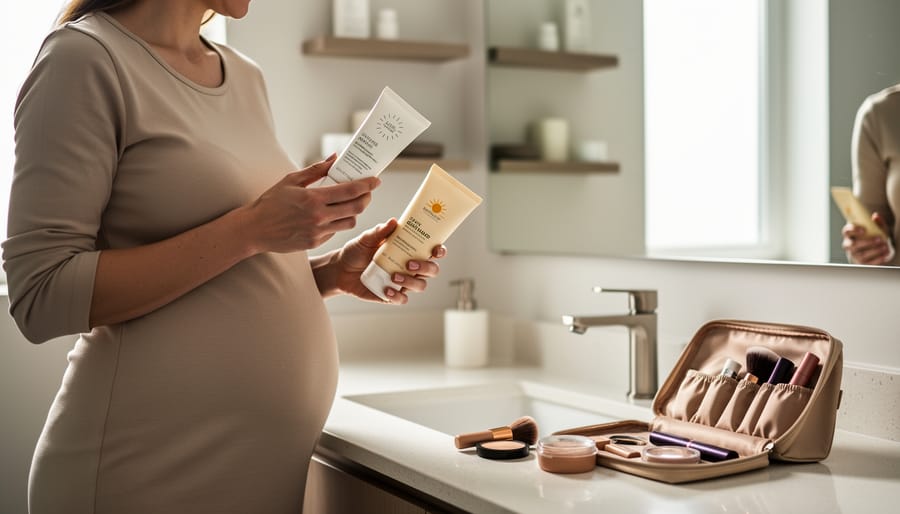
Pregnancy-safe cosmetics boil down to avoiding a handful of key ingredients like retinoids, salicylic acid in high concentrations, certain essential oils, and chemical sunscreens such as oxybenzone, then choosing products formulated with gentler alternatives that deliver the same results without the risk. You can keep your entire beauty routine with a few simple swaps, and most of the products you already love are likely perfectly fine.
I remember standing in the drugstore aisle during my first pregnancy, staring at my favorite foundation and wondering if I needed to toss my entire makeup bag. The internet had me convinced that everything from mascara to lip balm was suddenly off-limits. Spoiler: it wasn’t. But the anxiety was real, and I know so many of you are feeling that same uncertainty right now.
The truth is, most cosmetics are safe during pregnancy. The concern lies with a specific group of active ingredients that can be absorbed through your skin in amounts that might affect your baby’s development. We’re talking about retinoids (vitamin A derivatives found in many anti-aging products), high-dose salicylic acid, hydroquinone for skin lightening, and a few preservatives like formaldehyde-releasing agents.
What makes this confusing is that “natural” doesn’t automatically mean safe, and “chemical” doesn’t mean dangerous. Some plant-based essential oils should be avoided, while many synthetic ingredients get the green light. The key is knowing what to look for on those ingredient labels and understanding which product categories need extra attention versus which ones you can shop freely.
Why Cosmetic Safety Matters During Pregnancy
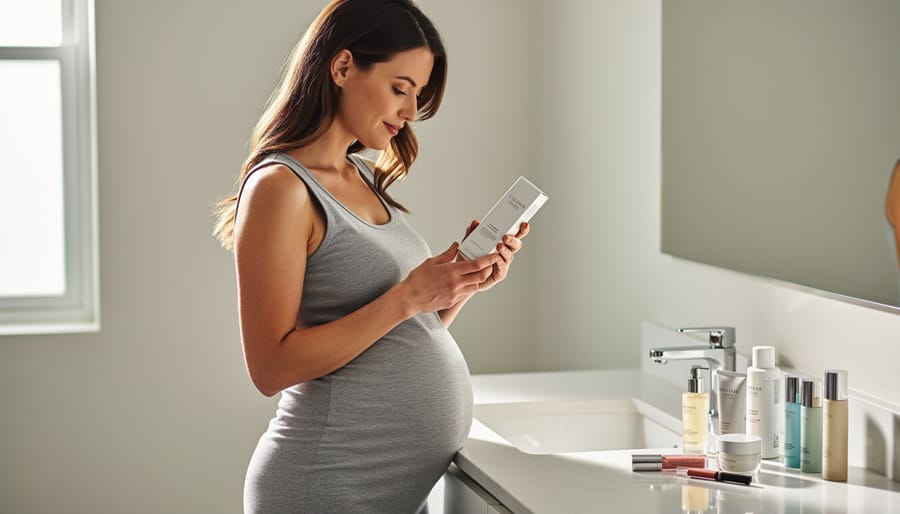
Your skin changes during pregnancy in ways that might surprise you. Increased blood flow and hormonal shifts make your skin more permeable and reactive, which means it can absorb ingredients more readily than before. That doesn’t mean you need to panic about every product you’ve been using, but it does mean paying closer attention to what you’re putting on your skin makes sense now.
When you apply cosmetics, some ingredients can pass through your skin and enter your bloodstream. From there, they potentially reach your baby through the placenta. The extent of this absorption varies widely depending on the ingredient’s molecular size, how much you use, and how often you apply it. Your liver and kidneys work overtime during pregnancy to filter out substances, but some compounds can still accumulate or interfere with hormone signals that guide your baby’s development.
I remember standing in my bathroom at eight weeks pregnant, suddenly seeing my makeup bag through completely different eyes. I’d never once flipped over a foundation bottle to read the ingredient list. That morning, I did, and I couldn’t pronounce half of what I saw. The overwhelm was real. But here’s what I learned: you don’t need a chemistry degree to make safer choices, and occasional use of a product you love won’t derail your pregnancy.
The goal isn’t perfection or eliminating every questionable ingredient from your routine overnight. It’s about being thoughtful with products you use daily, on large areas of skin, or that sit on your face for hours. Think of it as updating your routine to match where you are now, not living in fear of every cosmetic you touch.
Ingredients to Avoid: What to Look For on Labels
Reading ingredient labels can feel like decoding a foreign language, especially when you’re exhausted from first-trimester nausea. I remember standing in the drugstore for twenty minutes during my first pregnancy, squinting at tiny print on the back of my favorite foundation, suddenly questioning everything I’d been putting on my face for years. But once you know what to watch for, it gets easier, promise.
The ingredients below aren’t going to cause immediate harm from occasional exposure, so don’t panic if you’ve been using them. Think of this as your guide moving forward, not a reason to stress about the past few weeks.
| Ingredient | Why to Avoid | Commonly Found In |
|---|---|---|
| Retinoids (retinol, retinoic acid, tretinoin) | Linked to birth defects in high doses; topical absorption concerns | Anti-aging creams, acne treatments, some foundations with “age-defying” claims |
| Hydroquinone | High absorption rate through skin; potential developmental effects | Skin-lightening creams, dark spot treatments, some BB creams marketed for hyperpigmentation |
| Phthalates (DBP, DEP) | Endocrine disruptors that may affect fetal development | Fragranced products, nail polish, hair spray, often hidden under “fragrance” |
| Formaldehyde and releasers (DMDM hydantoin, quaternium-15) | Known carcinogen; respiratory irritant | Nail polish, nail hardeners, some mascaras, hair straightening treatments |
| Essential oils (high concentrations of rosemary, sage, clary sage) | Some may stimulate contractions or hormonal effects | Natural cosmetics, aromatherapy-infused makeup, facial oils |
| Chemical sunscreens (oxybenzone, avobenzone) | Hormonal disruption concerns; absorbed into bloodstream | Foundations with SPF, tinted moisturizers, BB creams, lip products with sun protection |
Retinoids deserve special attention because they’re everywhere in anti-aging products. If you see words starting with “retin” on the label, skip it. Your skin might miss the glow temporarily, but there are pregnancy-safe alternatives like vitamin C and azelaic acid that work beautifully without the concerns.
Fragrance is trickier than it seems. That single word on an ingredient list can hide dozens of chemicals, including phthalates. Companies aren’t required to disclose what’s in their proprietary fragrance blends, which means you’re buying blind. Look for products labeled “fragrance-free” rather than “unscented”, the latter sometimes contains fragrance to mask chemical smells.
Here’s what genuinely surprised me: formaldehyde shows up in nail polish and some mascaras, not just in biology labs. Those formaldehyde-releasing preservatives break down slowly over time, which means continued exposure every time you apply the product.
Don’t let this list overwhelm you into thinking you can’t wear makeup. Most mainstream brands now offer pregnancy-safe lines, and once you’ve identified these key culprits, scanning labels becomes second nature. You’ll develop a mental shortlist of your no-go ingredients, and shopping gets faster from there.
What Makes a Cosmetic Pregnancy-Safe: Key Buying Factors
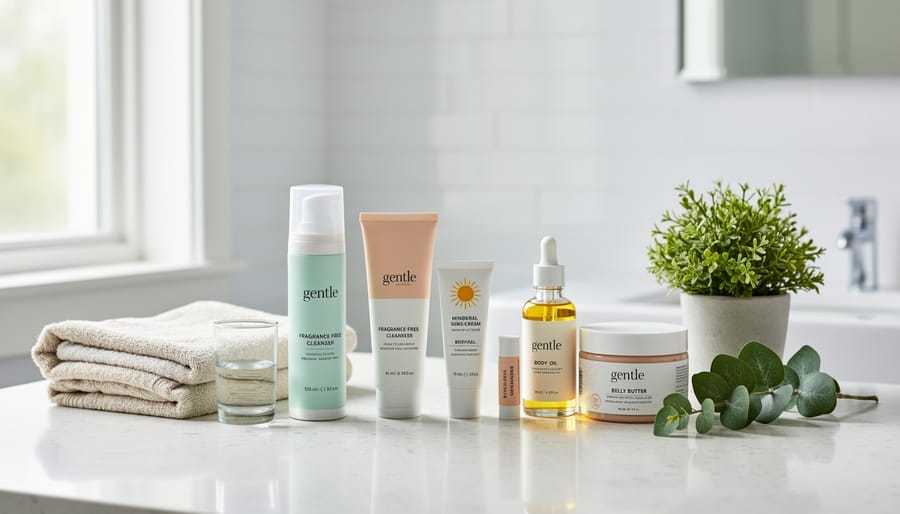
So you’ve learned which ingredients to steer clear of, but what should you actually be looking for when you’re standing in the makeup aisle or scrolling through online shops? Understanding positive buying factors makes shopping less overwhelming and helps you quickly identify products that deserve a closer look.
Clean Ingredient Lists Matter More Than Marketing Claims
Skip straight to the ingredient list, which appears in descending order by concentration. The first five to seven ingredients make up most of the product, so if something questionable appears early, move on. Look for recognizable names like zinc oxide, titanium dioxide, plant oils (jojoba, argan), vitamins (C, E), and gentle preservatives. A shorter list isn’t always better, sometimes those extra ingredients are beneficial botanicals, but it does make vetting easier.
Here’s the tricky part: terms like “natural,” “clean,” and “non-toxic” aren’t regulated by the FDA. A brand can slap “clean” on anything. That doesn’t mean these products are bad, but it does mean you need to look beyond the front label. Real clean beauty means no parabens, phthalates, synthetic fragrances, or hormone disruptors. The brand should define what their “clean” actually excludes.
Third-Party Certifications You Can Trust
Unlike vague marketing language, legitimate third-party certifications require products to meet specific standards. When you spot these seals, you can shop with more confidence:
- EWG Verified: Products meet Environmental Working Group’s strictest standards for ingredient safety and full transparency
- Made Safe: Certifies products are free from known carcinogens, developmental toxins, and hormone disruptors
- USDA Organic: For products with certified organic ingredients, though not specifically pregnancy-focused
- Leaping Bunny or Cruelty-Free: Confirms no animal testing, which often aligns with cleaner formulas
- NSF/ANSI 305: Personal care products containing organic ingredients verified by NSF International
None of these certifications are foolproof for every pregnancy concern, but they represent genuine vetting by independent organizations rather than a brand’s self-assessment.
Brand Transparency and Pregnancy-Specific Labeling
The best brands openly share full ingredient sourcing, testing methods, and why they chose each component. Check if they have a pregnancy-safe section on their website or clear statements about which products expecting moms can use. Some companies even employ toxicologists or partner with maternal health experts. If a brand hedges with “consult your doctor” for everything, that’s fine, but it’s more helpful when they’ve done the homework and can say “yes, this one’s specifically formulated with pregnancy in mind.”
Mineral-based formulas, particularly for foundation and sunscreen, are your safest bet. Minerals like zinc oxide and titanium dioxide sit on the skin’s surface rather than being absorbed, offering coverage and sun protection without systemic exposure. They’re especially smart for products you wear all day.
Types of Pregnancy-Safe Cosmetics Compared
Face Products: Foundation, Concealer, and Powder
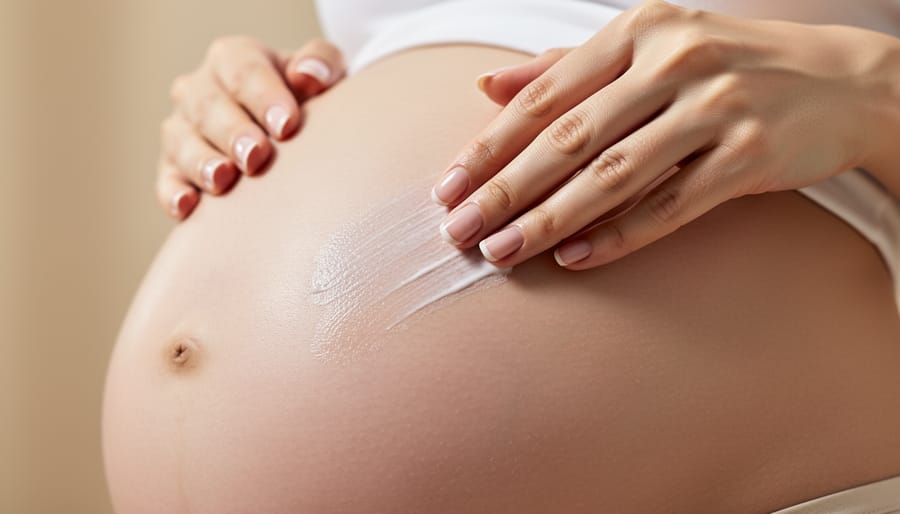
When it comes to base makeup during pregnancy, mineral foundations are your safest bet. These powder formulas typically contain zinc oxide and titanium dioxide, the same minerals recommended for pregnancy-safe sunscreen, and skip potentially problematic ingredients like synthetic fragrances and preservatives. They’re less likely to clog pores, which matters when pregnancy hormones are already wreaking havoc on your skin.
Liquid foundations can work too, but you’ll need to read labels carefully. Look for water-based formulas without retinyl palmitate, parabens, or synthetic fragrances. Many clean beauty brands now offer pregnancy-friendly liquid options with buildable coverage, which is helpful since your skin needs might fluctuate week to week.
Here’s something I wish someone had told me: your skin tone can shift during pregnancy. Those hormones that cause the linea nigra or melasma can also alter your undertones slightly. Don’t stock up on six bottles of your usual shade. Buy one, and be prepared to remix or adjust as you progress. Mixing a drop of foundation with moisturizer gives you flexible coverage on days when full makeup feels like too much.
Concealers and powders follow the same rules, mineral formulas win for safety and breathability.
Eye and Lip Products
Eye makeup and lip products deserve special attention during pregnancy because they sit so close to sensitive areas, your eyes, mouth, and the mucous membranes where absorption happens more readily than through regular skin.
For mascara and eyeliner, steer clear of formulas containing carbon black or parabens as preservatives. Mineral-based mascaras with iron oxides offer good definition without questionable additives. I switched to a clean mascara around week twelve and honestly didn’t miss my old tube once I adjusted to the slightly different texture. Pencil eyeliners tend to be safer than liquid versions, which often contain more synthetic ingredients to maintain that precise applicator.
Eyeshadows are generally lower-risk, but avoid anything with shimmer from synthetic micas or bismuth oxychloride, which can irritate newly sensitive eyes. Mineral shadows with natural pigments work beautifully and blend just as well.
Lipsticks warrant the most caution because you’ll inevitably ingest tiny amounts throughout the day. Lead contamination remains a real issue in many conventional lipsticks, even big-name brands. Look for products specifically tested for heavy metals. Glosses with simpler formulas, think plant oils and waxes, give you shine without the worry. Skip anything listing “fragrance” or retinyl palmitate near the top of the ingredients list.
Skincare Hybrids: BB Creams, Tinted Moisturizers, and SPF Products
BB creams and tinted moisturizers are tempting during pregnancy because they simplify your routine when you’re already juggling a million things. The catch? Many contain chemical sunscreen filters that aren’t ideal right now.
Stick with mineral-based SPF products that use zinc oxide or titanium dioxide. These physical blockers sit on your skin’s surface rather than being absorbed into your bloodstream like chemical filters such as oxybenzone or avobenzone. Pregnancy skin can be more sensitive to chemical UV filters, and there’s ongoing research about their absorption rates that makes mineral options the safer bet.
When choosing a tinted moisturizer or BB cream, check the SPF level. You’ll need at least SPF 30 for real sun protection, but don’t rely solely on your makeup for coverage if you’re spending extended time outdoors. Many tinted products offer SPF 15-20, which is fine for layering but won’t cut it as your only defense.
The trade-off with mineral formulas is they can leave a white cast, especially on deeper skin tones. Look for tinted zinc oxide formulas or try brands specifically designed for various complexions. A bit of trial and error helps you find what works without compromising safety.
Nail Polish and Removers
Nail polish has come a long way from the days when pregnancy meant giving up manicures entirely. The old “toxic trio”, formaldehyde (a known carcinogen), toluene (linked to developmental issues), and dibutyl phthalate or DBP (an endocrine disruptor), used to be standard in most formulas. Now you’ll find brands advertising “5-free,” “7-free,” even “10-free” polishes that exclude these and other questionable ingredients like camphor, formaldehyde resin, xylene, and parabens.
Here’s the thing: those numbers matter less than reading what’s actually excluded. A “5-free” polish from a reputable brand may be safer than a “10-free” version that still contains other concerning chemicals. Focus on avoiding the original trio plus formaldehyde resin at minimum.
For removers, skip acetone-based formulas, they’re harsh and the fumes are intense. Look for acetone-free removers with gentler solvents, though they’ll take a bit more elbow grease. Whatever you use, ventilation is non-negotiable. Open windows, use a fan, or do your nails outside. Those fumes aren’t doing you or baby any favors, no matter how “free” the formula claims to be.
Hair Care Cosmetics: Brow Products and Mascaras
When it comes to brows and lashes, most everyday products get the green light during pregnancy. Your trusty brow pencil, powder, or gel is generally safe to keep using, as these are topically applied in small amounts and don’t contain the concerning ingredients found in some other cosmetics.
The real caution comes with growth serums. Many lash and brow growth products contain prostaglandin analogs, which can affect pregnancy. If you’ve been using a prescription serum like Latisse or an over-the-counter growth booster, now’s the time to pause. These ingredients are designed to affect cell growth, and that’s not something you want to mess with while pregnant.
Stick with simple definition products instead of enhancement serums, and you’ll be just fine. Your brows might actually fill in a bit during pregnancy anyway, thanks to those hormones keeping more hair in the growth phase.
Our Top Recommendations for Pregnancy-Safe Cosmetics in 2026
Based on feedback from our Mommy’s Nest community and careful ingredient screening, here are some pregnancy-safe cosmetics that have become favorites among expecting moms. These aren’t affiliate partnerships or paid placements, just genuine recommendations to help you get started.
For face products, Beautycounter’s Dew Skin Tinted Moisturizer consistently tops our community polls. It offers light coverage with mineral SPF and a clean ingredient list that’s been third-party verified. If you’re working with a tighter budget, Physicians Formula’s Organic Wear Tinted Moisturizer delivers similar benefits at about a third of the price. Both skip the retinoids and chemical sunscreens while giving that “I slept eight hours” glow we’re all chasing.
When it comes to eye makeup, 100% Pure’s Fruit Pigmented Mascara has won over even the most skeptical members of our group. It’s colored with fruit and tea pigments instead of synthetic dyes, holds up through emotional pregnancy moments, and removes easily without harsh chemicals. Pair it with their Long Last Brows pencil if you’re dealing with patchy brows, a surprisingly common pregnancy complaint nobody warns you about.
For lips, we love RMS Beauty’s Wild With Desire Lipstick line. The shades are gorgeous, the formula is organic, and there’s zero worry about lead or synthetic dyes. At the drugstore level, Burt’s Bees Tinted Lip Balms offer a more affordable alternative with similarly clean ingredients.
Nail polish is where Ella+Mila really shines. Their polishes are 17-free (yes, they’ve gone way beyond the basic 3-free), come in stunning colors, and actually last. Apply them in a well-ventilated space, maybe turn it into a kid-safe home project if you’ve got little ones who want to “help” with beauty time.
For multi-tasking products, Tower 28’s BeachPlease Tinted Balm works beautifully on cheeks and lips. It’s one of those throw-in-your-bag essentials for days when you need color fast. The brand is specifically formulated for sensitive skin, which many of us suddenly develop around month five.
These recommendations span from $8 to $65, so you can mix and match based on what matters most in your routine without breaking the budget on a complete overhaul.
Common Mistakes to Avoid When Shopping for Pregnancy Cosmetics
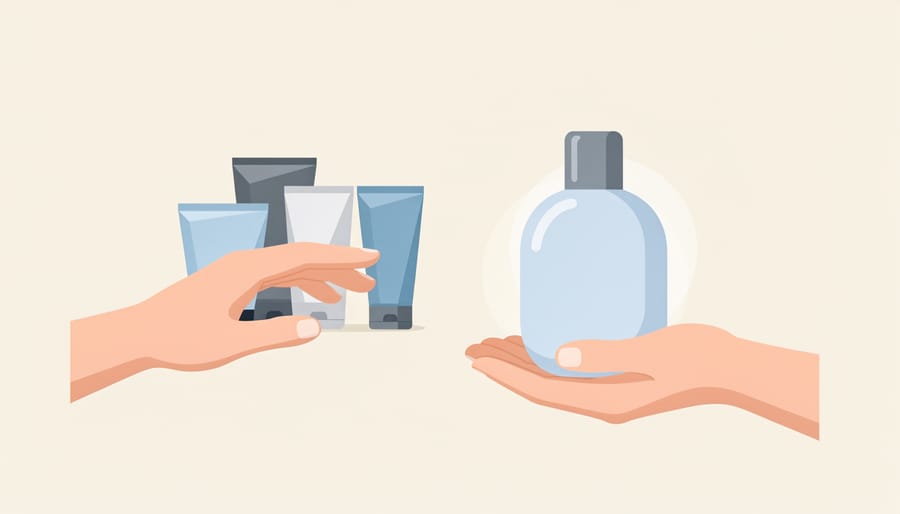
When I first started hunting for pregnancy-safe cosmetics, I made every mistake in the book, and I heard similar stories from so many women in our community. One mom shared that she threw out her entire makeup bag in a panic after reading a scary article, then spent a small fortune replacing everything with “natural” products that turned out to have questionable ingredients anyway. She felt foolish until she realized most of us had done something similar. Learning to shop smart takes practice, so let’s spare you some of those expensive trial-and-error moments.
Here are the most common pitfalls we see expecting moms encounter:
- Assuming “natural” or “clean” automatically means pregnancy-safe, many natural ingredients like certain essential oils aren’t recommended
- Overlooking fragrance on ingredient lists, which can hide dozens of unlisted chemicals including phthalates
- Skipping patch tests during pregnancy when your skin is more reactive and sensitive than usual
- Replacing your entire collection at once instead of swapping products gradually as you run out
- Trusting pretty packaging and marketing claims over actually reading the ingredient list
- Forgetting that “hypoallergenic” or “dermatologist-tested” doesn’t address pregnancy-specific ingredient concerns
The marketing mistake is particularly sneaky. Brands know pregnant women are cautious shoppers, so they’ll plaster “gentle,” “pure,” or “mom-safe” all over packaging while the actual ingredients tell a different story. I’ve held products with beautiful minimalist packaging and soothing green labels that contained retinyl palmitate three ingredients down the list.
Another trap? Impulse-buying every product a pregnancy influencer recommends without checking if it actually works for your skin type or concerns. What cleared up someone else’s pregnancy acne might trigger a reaction for you, and that’s completely normal, your skin is different, and pregnancy affects everyone uniquely. Think of shopping for safe cosmetics as easy at-home fun where you get to be the detective, not a stressful overhaul that needs to happen overnight.
Questions Moms Ask About Pregnancy-Safe Cosmetics
The community at Mommy’s Nest hears these questions all the time, and trust me, you’re not alone in wondering about the details. Let’s tackle the concerns that come up most often.
Can I use my old makeup, or do I need to replace everything?
You don’t have to toss everything in one dramatic sweep. Check your current products against the ingredients to avoid list, and replace items that contain retinoids, hydroquinone, or formaldehyde releasers first. Foundation, concealer, and powder are usually fine to keep if they don’t have problematic ingredients, while lipsticks and anything going near your eyes deserve closer scrutiny.
What should I do with beauty products I received as gifts?
It’s a thoughtful gesture, but you’re not obligated to use anything that makes you uncomfortable. Check the ingredients, and if they don’t pass your safety standards, save them for after pregnancy or pass them along to a friend who’ll appreciate them. Your baby’s wellbeing comes before avoiding awkward conversations.
How can I tell if a reaction is pregnancy-related or caused by the product?
Pregnancy skin can become more reactive to products you’ve used for years without issue. If you develop redness, itching, or breakouts with a new product, stop using it for a week and see if symptoms clear. If they do, the product is likely the culprit, but if sensitivity persists across multiple products, hormonal changes might be the underlying cause.
Are salon or professional-grade products held to different safety standards?
Professional products aren’t automatically safer, and some contain higher concentrations of active ingredients. Always ask your stylist or esthetician about the specific products they’ll use, and don’t hesitate to bring your own pregnancy-safe alternatives for treatments.
Do the same rules apply while breastfeeding?
Most experts agree you can relax ingredient restrictions once baby arrives, though some moms prefer to maintain their pregnancy-safe routine while breastfeeding. The research on ingredient transfer through breast milk is limited, but topical cosmetic absorption that reaches milk is considered minimal compared to during pregnancy.
One question that doesn’t fit neatly into product safety but comes up often: balancing your beauty routine with everything else on your plate right now. Between doctor appointments, nursery prep, and pregnancy-friendly activities cosmetics might feel like another item on an endless to-do list. Remember that switching to safer products doesn’t have to happen overnight. Start with what you use daily, work through the rest as products run out, and give yourself permission to learn as you go. Your instincts about what feels right for your body are valuable, and the Mommy’s Nest community is always here when you need a second opinion or just want to compare notes with other moms navigating the same decisions.
You don’t have to choose between feeling beautiful and keeping your baby safe. The truth is, you can have both. Now that you know what to look for and what to avoid, you’re already ahead of the game.
Start small if this feels overwhelming. Swap out one product this week, maybe your foundation or lipstick, and see how it goes. You don’t need to toss your entire makeup bag overnight or spend a fortune replacing everything at once. This is a journey, not a race, and every thoughtful choice you make counts.
Remember, pregnancy is already full of changes and adjustments. Your beauty routine should be something that makes you feel good, not another source of stress. Trust your instincts, read those labels, and don’t be afraid to ask questions or try new brands until you find what works for you.
We’d love to hear what pregnancy-safe products have become your favorites. Have you discovered a hidden gem brand? Found a dupe that works even better than your pre-pregnancy go-to? Share your wins with our community at Mommy’s Nest. Just like swapping craft ideas with kids sharing product recommendations helps all of us navigate this journey together.
You’ve got this, mama. You’re making informed, loving choices for both you and your baby, and that’s exactly what great mothering looks like.



Average Rating