 0
0
 0
0
The prenatal nutrition library is your go-to collection of evidence-based information about the nutrients, foods, and eating patterns that support a healthy pregnancy. Think of it as a curated reference guide that breaks down everything from folic acid to omega-3s, helping you understand not just what to eat, but why it matters for you and your growing baby.
When I was pregnant with my first, I remember feeling overwhelmed by conflicting advice about prenatal nutrition. One article would tell me to load up on iron, another would warn me about mercury in fish, and my neighbor swore by some supplement I’d never heard of. I wished someone would just organize all the reliable information in one place so I could make decisions without second-guessing myself at every meal.
That’s exactly what a prenatal nutrition library does. It pulls together research-backed guidance on essential vitamins and minerals, breaks down which foods deliver the most nutritional bang for your buck, and helps you customize your eating plan based on your unique needs, whether you’re managing morning sickness, following a plant-based diet, or dealing with gestational diabetes.
The beauty of having this resource at your fingertips is that you can look up specific concerns as they come up throughout your pregnancy. Need to know if you’re getting enough calcium? Check the library. Wondering whether that prenatal vitamin covers all your bases? There’s a section for that too. You’re not expected to memorize everything at once or become a nutrition expert overnight. Instead, you can refer back to this centralized resource whenever questions pop up, making informed choices with confidence rather than anxiety.
What You’ll Find in a Prenatal Nutrition Library
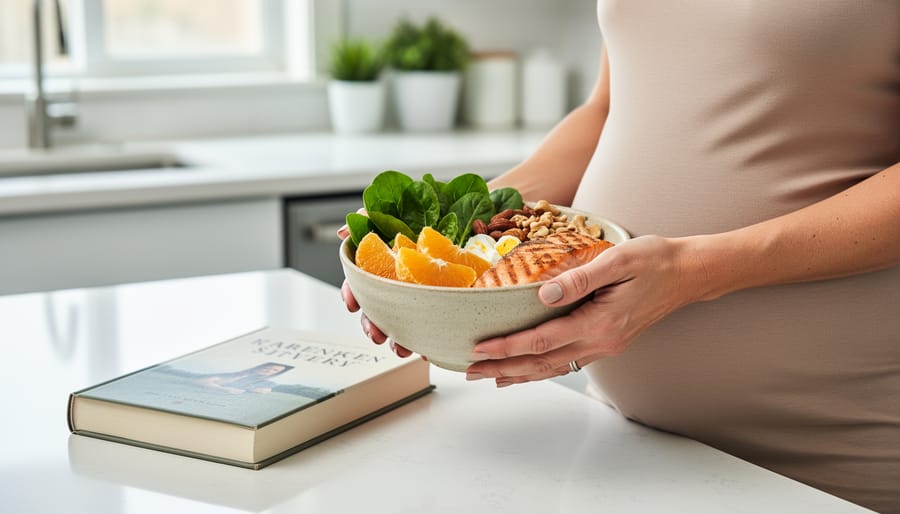
A prenatal nutrition library is essentially your one-stop resource for all things pregnancy nutrition. Think of it as a well-organized collection that brings together everything you need to eat well during these nine months, without sending you down endless rabbit holes of conflicting information.
At its core, you’ll find detailed nutrient guides that break down what your body and baby need at different stages. These aren’t dry textbooks, they explain in plain language why certain vitamins matter, how much you need, and which foods deliver them. Most libraries organize this information by trimester, since your nutritional needs shift as your baby grows. What’s crucial in those first twelve weeks looks different from what you’ll focus on in the third trimester.
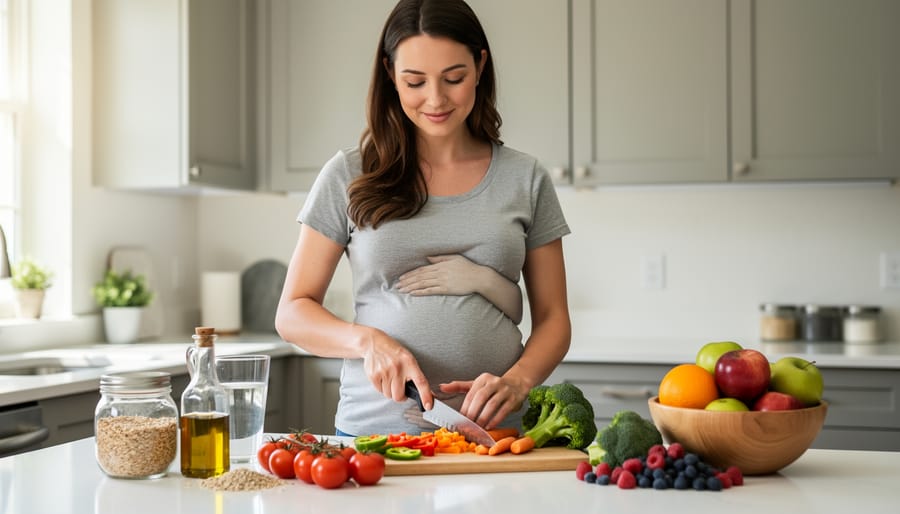
You’ll also discover practical meal planning tools and recipe collections designed specifically for pregnancy. These aren’t just “healthy recipes” repackaged, they’re built around the nutrients you actually need right now, with options for morning sickness days when nothing sounds good and third-trimester evenings when you’re too tired to think. Many libraries categorize these by dietary preference too, whether you’re vegetarian, vegan, gluten-free, or managing food allergies.
Food safety information is another major component, and honestly, this might be one of the most valuable parts. Instead of panicking every time you see a cheese plate, you’ll have clear guidance on what’s safe, what’s risky, and how to handle gray areas. This section usually covers everything from deli meats and fish to handling leftovers and eating out.
Supplement recommendations round out most libraries, including guidance on choosing prenatal vitamins, understanding labels, and knowing when additional supplements might be helpful. You’ll find comparison tools, dosage information, and tips for managing common side effects.
The best prenatal nutrition libraries also include sections for special circumstances, managing gestational diabetes, addressing severe nausea, navigating pregnancy with chronic conditions, or carrying multiples. Rather than treating every pregnancy identically, they help you find the information that fits your specific situation. It’s personalized support without needing to schedule another appointment or spend hours researching on your own.
Essential Nutrients and Why They Matter
Folate and Neural Tube Development
Folate (vitamin B9) is your baby’s first line of defense, it folic acid prevents neural tube defects like spina bifida by supporting proper spinal cord and brain formation in the first weeks, often before you know you’re pregnant. That’s why experts recommend 400-800 mcg daily starting before conception. You’ll find folate in leafy greens, citrus, beans, and fortified grains, but most prenatal vitamins include it too. Look for “folate” or “methylfolate” on the label rather than synthetic folic acid if your body struggles with conversion. Pair your prenatal with folate-rich meals, and remember that cooking can reduce folate in vegetables, lightly steaming preserves more than boiling. If you’re unsure about preparation methods or other concerns, check the food safety guidance for practical tips on handling foods during pregnancy.
Iron for You and Baby
Your body needs almost twice as much iron during pregnancy, around 27 milligrams daily compared to the usual 18. This extra iron builds your baby’s blood supply and supports the placenta, while preventing anemia that can leave you exhausted and increase delivery complications.
Red meat, poultry, and fish provide heme iron, which your body absorbs most easily. Plant sources like spinach, lentils, and fortified cereals offer non-heme iron, pair them with vitamin C-rich foods like oranges or bell peppers to boost absorption. Avoid taking your prenatal with coffee or tea, as they block iron uptake.
Constipation from iron supplements is real. Taking your vitamin with food, staying hydrated, and adding fiber can help. If standard prenatals upset your stomach, ask your provider about slow-release formulas or liquid options that might work better for you.
Calcium, Vitamin D, and DHA
Beyond folate and iron, three other nutrients deserve a permanent spot on your pregnancy radar: calcium, vitamin D, and DHA. These work together like a construction crew building your baby’s foundation.
Calcium builds those tiny bones and teeth, you need about 1,000 mg daily. If you’re not getting enough from dairy, fortified plant milks, or leafy greens, your body pulls from your own bones to supply baby. Vitamin D helps absorb that calcium and supports immune development; most prenatals include 400-600 IU, though some practitioners recommend more depending on your levels.
DHA, an omega-3 fatty acid, is crucial for brain and eye development, especially in the third trimester. You’ll find it in fatty fish like salmon, or through algae-based supplements if you’re vegetarian or can’t stomach seafood right now.
Navigating Prenatal Supplements
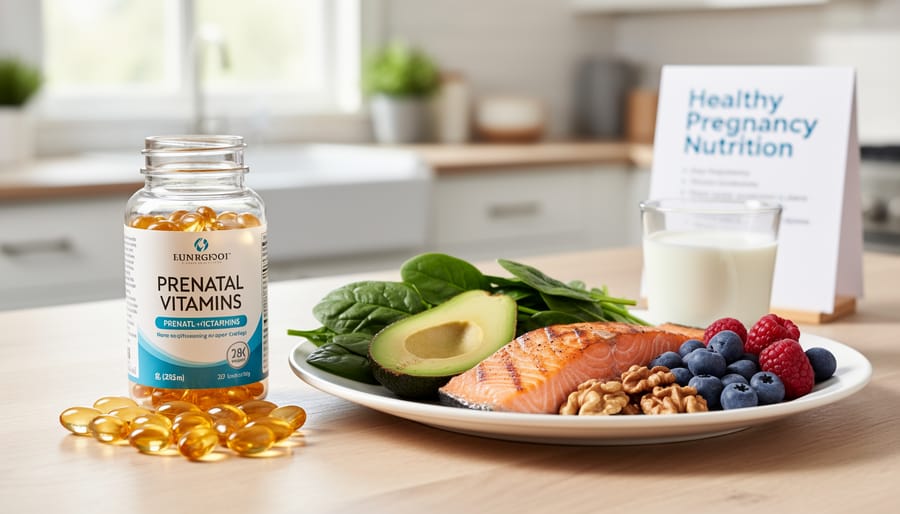
Choosing a prenatal vitamin can feel overwhelming when you’re staring at an entire shelf of options, each promising to be the perfect fit. The good news is that most reputable prenatal supplements contain the core nutrients you need, so you’re not locked into a single brand or formulation. When reading labels, look for key ingredients like folate (ideally as methylfolate rather than folic acid), iron, calcium, vitamin D, and DHA. The amounts matter too: you’ll want at least 400-800 mcg of folate, 27 mg of iron, and 200-300 mg of DHA. Some prenatals include everything in one pill, while others separate the DHA into a softgel or require multiple tablets throughout the day.
Prescription prenatals and over-the-counter options both work well for most women. The prescription versions sometimes have higher iron content or specific formulations for women with absorption issues, and they may be covered by insurance. Over-the-counter brands offer more variety in form (gummies, liquids, pills) and often cost less out of pocket. The best prenatal is simply the one you’ll actually take consistently.
Timing can make a real difference in how you tolerate your supplement. Many women find that taking their prenatal with food, especially at dinner or before bed, helps minimize nausea. If iron bothers your stomach, try taking it with vitamin C (like orange juice) to boost absorption, or ask your provider about a lower-dose iron supplement taken separately. Some moms in our community swear by splitting their prenatal in half and taking it twice a day, while others do better with gummy versions that skip the iron entirely and add a separate iron supplement only if needed.
Side effects like constipation from iron or fishy burps from DHA are common complaints. Switching brands, adjusting when you take them, or trying different forms (like a delayed-release capsule) often solves these issues. And remember, prenatal supplements work alongside the foods to avoid guidelines and the nutritious foods you’re already eating. They’re insurance, not a replacement for real meals. If morning sickness has you living on crackers and ginger ale, your prenatal becomes even more important until you can eat normally again.
Using the Library for Your Unique Needs
Your pregnancy journey is uniquely yours, and a good prenatal nutrition library recognizes that one-size-fits-all advice rarely works. That’s where customized guidance becomes invaluable.
If you’re vegetarian or vegan, you’ll find specific sections addressing nutrients that might need extra attention, like B12, iron, and omega-3s from algae-based sources. The library shows you which plant-based foods pack the biggest nutritional punch and helps you choose a prenatal supplement that fills any gaps your diet might have. Food allergies or intolerances? Look for substitution guides that suggest alternatives without compromising nutrition.
Pregnancy complications require tailored approaches too. Managing gestational diabetes means understanding which carbohydrates affect blood sugar differently and how to balance meals throughout the day. If you’re dealing with anemia, you’ll want resources on maximizing iron absorption, pairing it with vitamin C, avoiding calcium at the same time, and recognizing when food alone isn’t enough. For moms battling hyperemesis gravidarum, the library offers gentle strategies for getting nutrients when keeping anything down feels impossible.
Expecting twins or multiples? Your nutritional needs are significantly higher, and the library should address increased calorie requirements, enhanced nutrient recommendations, and early pregnancy safety considerations specific to multiple pregnancies.
The beauty of a comprehensive library is that you’re not wading through irrelevant information. You can zero in on what matters for your situation, whether that’s managing morning sickness on a dairy-free diet or balancing blood sugar while getting enough protein.
Your pregnancy doesn’t look like anyone else’s, and your nutrition plan shouldn’t either. The library gives you the building blocks to create an approach that works for you and your baby.
Separating Fact from Fiction

When you’re pregnant, everyone suddenly becomes a nutrition expert. Your aunt insists you need to eat for two, your coworker swears all fish is dangerous, and your neighbor warns against everything from coffee to cold sandwiches. A prenatal nutrition library cuts through this noise by anchoring your decisions in evidence rather than anxiety.
One of the biggest myths is that pregnancy means doubling your food intake. In reality, you need only about 300 extra calories per day in the second and third trimesters, roughly the equivalent of a yogurt and an apple. Another persistent misconception is that all fish should be avoided due to mercury concerns. The truth is more nuanced: low-mercury options like salmon, sardines, and cod provide crucial omega-3 fatty acids that support your baby’s brain development. Guidelines recommend two to three servings per week, not complete avoidance.
You’ll also encounter conflicting guidance about specific foods. Some sources say to avoid all deli meat, while others explain that heating it to steaming reduces listeria risk. A good nutrition library presents both the concern and the practical solution, helping you make informed choices rather than following blanket bans.
Watch for red flags in nutrition advice: dramatic language, promises of perfect outcomes, or recommendations that contradict established medical guidelines. Trustworthy resources cite recent studies, acknowledge when evidence is limited, and encourage you to discuss questions with your doctor or midwife. They present information as tools for decision-making, not rigid rules that ignore individual circumstances.
When you find yourself confused by competing claims, return to your library’s vetted resources and remember that your healthcare provider knows your specific situation best.
Common Questions About Prenatal Nutrition
You’re not alone in having questions, every mom wonders whether she’s doing enough, taking the right supplements, or making the best choices for her baby. These concerns come up again and again in conversations with healthcare providers and when moms find your community. Here are some of the most common questions about prenatal nutrition, with straightforward answers to help you feel more confident.
When should I start taking prenatal vitamins?
Ideally, start three months before trying to conceive, but if you’re already pregnant, begin immediately. The early weeks are critical for neural tube development, and many women don’t realize they’re pregnant until after this crucial window.
Can I get all the nutrients I need from food alone?
While a balanced diet is important, it’s extremely difficult to meet increased pregnancy needs for nutrients like folate and iron through food alone. Most healthcare providers recommend prenatal vitamins as nutritional insurance alongside healthy eating.
What if my prenatal vitamin makes me nauseous?
Try taking it with food, before bed, or switching to a different brand or formulation. Some women tolerate gummies or liquid forms better than pills, though these may contain lower iron levels.
How do I know if I’m eating enough during pregnancy?
Rather than counting calories obsessively, focus on steady weight gain within your provider’s recommendations, eating when hungry, and including nutrient-dense foods at each meal. Your body is remarkably good at signaling its needs.
Remember that prenatal nutrition isn’t about perfection. Some days you’ll eat beautifully balanced meals, and other days you’ll manage crackers and ginger ale. What matters is the overall pattern over weeks and months, not every single day. If you have persistent concerns about nausea, food aversions, or whether you’re meeting your nutritional needs, talk with your healthcare provider. They can check your levels, suggest adjustments, and reassure you that you’re doing better than you think.
Your prenatal nutrition library isn’t about following every guideline perfectly or second-guessing every bite you take. It’s about having reliable information at your fingertips when you need it, whether that’s three in the morning or during a grocery store run when you’re staring at supplement labels feeling overwhelmed.
Think of it as your knowledgeable friend who’s always available, but remember it works best alongside your healthcare provider’s personalized advice and your own instincts about what your body needs. Some days you’ll eat exactly what the guidelines suggest. Other days, you’ll survive on crackers and ginger ale. Both are okay.
What matters most is that you’re informed, you’re trying, and you’re giving yourself grace on this journey. Every mom’s pregnancy looks different, and comparing your plate to someone else’s doesn’t serve you or your baby.
We’d love to hear what’s been most helpful in your prenatal nutrition journey, or what questions still keep you up at night. Share your experiences, your wins, and your struggles in our Mommy’s Nest community. You’re not doing this alone, and your story might be exactly what another mom needs to hear today.